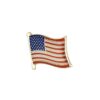
Lapel Pins: The Definitive Guide.
The Definitive Guide To Lapel Pins & Badges
What Exactly Is a Lapel?
A lapel is the folded flap on either side of a jacket or coat, just below the collar. Because it sits front and centre, it’s a natural spot for a pin — and depending on what you choose, it can say a fair bit about the person wearing it.
Why Bother Wearing a Lapel Pin?
A pin doesn’t need to mean anything — sometimes it’s just a simple way to lift a plain outfit. But it can carry meaning too. Some people use one to show their political leanings, while others just enjoy adding a bit of fun to how they dress.
Small details make a real difference to an outfit. There are plenty of ways to bring some personality into your look, and nothing beats putting your own stamp on it. A lapel pin is a timeless, understated way to add character instantly. The trick is picking something tasteful rather than novelty — steer clear of gimmicky badges if you’re after a stylish look, and go for something that reads more as a considered accessory. Even the plainest outfit gets a lift with the right pin.
Vintage styles and classic looks are having a moment, and lapel pins have ridden that wave back into fashion. Older pins in particular bring a sense of history and character to a look. A plain work suit doesn’t leave much room for personal style, so a lapel pin is an easy way to inject some individuality and have a bit of fun with how you present yourself.
A Bit of History
Pins and badges have long been worn to mark achievements or show membership of a group. Collecting and trading them is a popular hobby in its own right. You’ll often spot them on military personnel, veterans, and politicians — anyone wanting to make a statement or show off what they’ve achieved.
Designing a lapel pin is more involved than you might expect — it actually starts a bit like animation work. Designs are hand-drawn in blue line first, then finalised digitally using a light box. Once approved, the artwork is inked, coloured, and transferred onto a mechanical sheet that acts as the blueprint, complete with the measurements and callouts needed for manufacturing.
Wearing a Lapel Pin the Right Way
There’s a right way and a wrong way to wear a pin, and it trips a lot of people up. The best placement can depend on the type of pin, so it pays to get it right rather than risk looking a bit off once you’ve already got it on!
Convention has it that pins sit on the left, since that’s the side less likely to be covered when shaking hands with your right. That said, the right placement really depends on the pin, the event, and a few other factors. As a general guide:
- Lapel pins – lapel pins traditionally sit on the left side of the jacket, close to the heart, which is a nice touch if the pin means something to you.
Some organisations have their own rules about where a pin should be worn, so it’s worth checking if you’re not sure and it matters to you. As a rule of thumb, wearing it on the left, near the heart, is the safest choice when the pin has personal meaning.
Once placement is sorted, styling a lapel pin properly will make it look effortless, even the first time you wear one. You can pair it with matching cufflinks and a tie bar, alongside your other accessories, to keep the whole outfit feeling cohesive.
When and Where to Wear One
A lapel pin suits almost any occasion — weddings, fundraisers, the office, even a casual day out. There’s rarely a wrong time to wear one, and it’s an easy way to add a bit of personality to your look.
If you’re wearing one to work, just make sure it’s appropriate first. Some people prefer to slot their pin through the buttonhole of a suit jacket rather than piercing the fabric directly — handy if the jacket is an expensive one.
We’ve covered wearing a pin on your lapel, but what if you’re not in a jacket or blazer? A few options:
- Pin it on your tie – if you’re wearing a tie without a jacket, this is a good spot for your pin. It generally sits toward the middle of the tie, though if you do have a jacket on, that’s still the better place for it.
- Pin it on your dress shirt – without a jacket or tie, you can pin it straight onto your shirt, usually worn on the left side.
- Pin it on your coat – if you’d rather wear your pin more regularly, your coat is a solid option. Pinning to a suit jacket limits you to certain jackets, and you’ll end up putting holes in more items over time. Pinning to a coat instead means you can wear your favourite pins more often without worrying about your outerwear. Most formal coats already have a spot made for a lapel pin anyway.
Lapel Pin vs Name Badge vs Button Badge
It’s worth knowing the difference between a lapel pin, a name badge, and a button badge, since mixing them up can get confusing fast.
A traditional lapel pin is a stylish way to add personality to an outfit. It works just as well at a formal event as it does at the office or on a casual day — there’s really no wrong occasion for one.
A button badge tends to be more of a novelty item — think favourite bands, TV shows, or similar. When it isn’t purely for fun, it might show support for a cause or organisation instead. Great for making a statement, but not really suited to formal or everyday wear.
A name badge is essential in plenty of workplaces, though it isn’t something you’d wear all the time. It typically comes out for work events, or occasionally larger gatherings where you might be meeting new people. Name badges are usually worn on the right, so they stay visible when you shake someone’s hand.
Types of Lapel Pin
There’s quite a range of lapel pins out there, and knowing the differences helps when choosing one. The fastening mechanism varies between styles, so it’s worth thinking about how secure it needs to be and whether you’re comfortable putting a hole in your clothing. Different closures offer different levels of security, so if you’re buying a vintage pin, it’s worth checking the mechanism on the back before you commit.
- Stick pins – the original pin style, and a nice way to bring some vintage character to an outfit. They’re popular because they’re secure and easy to attach.
- Boutonniere – a small flower-based piece traditionally worn at weddings and proms, and the forerunner to the modern lapel pin you see today. Usually worn on the left, over the heart, it should stand out without being over the top.
- Butterfly clutch – commonly used in the military to mark different units. These are smaller and less conspicuous, and can be worn alongside other pins at the same time.
- Magnetic clasp – uses simple discs and avoids putting a hole in your clothing altogether. The trade-off is less security, and the hold can weaken over time.
- Badge – traditionally used to encourage voting or show political leanings. Not really an option for formal events or general styling.
- Long stem pin – designed to be noticed, with plenty of interesting designs to choose from. A good option if you like a bolder look.
- Screw and nut – a fastening mechanism that keeps the pin securely in place.
- Collar pin – attached to the collar rather than the lapel. Less traditional, but a good way to add some interest to a look if you’re after something different from the usual vintage styles.
A lapel pin works with almost any outfit, which is part of why they’ve made such a comeback. They’re traditionally paired with blazers and suit jackets, but you can just as easily wear one with a formal coat, a tuxedo, or directly on a jumper or shirt. Just think it through before piercing delicate fabric — it may not hold up well, and repeated piercing risks stretching or damaging the hole.
Give Your Look an Edge
A well-chosen lapel pin can instantly make an outfit feel sharper and more polished. If you’ve been looking for an easy way to show a bit of personality through your style, this is it.
An article by Brandon Vallorani on Forbes points out that first impressions are shaped heavily by what people see, based on long-standing research. That’s a good reason to make sure your team looks the part — lapel pins, badges, and brooches are a versatile way to help with that.
A simple lapel pin shows you know your own style and can put an outfit together with confidence. It’s a subtle touch, but it’s the kind of detail that gets noticed and gives your look an edge.
Hopefully this guide has given you the confidence to start shopping for lapel pins and wearing them well — happy browsing, courtesy of patchpinflag.nz!